Syndication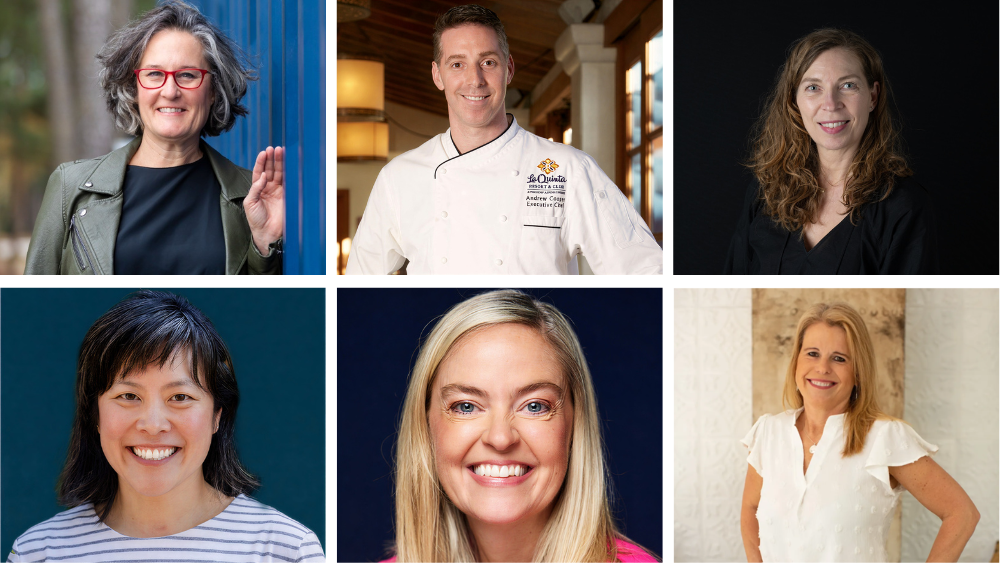


According to the experts in Season 10, F&B isn’t the intermission, it does some heavy lifting when it comes to the overall attendee experience.If Season 9 of the Convene Podcast was about ‘doing the work,’ Season 10 reveals where some of the most important work happens: at the table.
The events industry is rethinking one of its essential elements: the way it nourishes audiences physically, not just intellectually. For decades, food and beverage filled the space between sessions — a functional necessity providing a break in the program, something that took up a large part of the event budget but not much of the planning process. But the conversations in Season 10 of the Convene Podcast point to a different reality: F&B has become one of the most strategic tools event designers have at their disposal.
“It’s not just about feeding people,” said Chef Andrew Cooper, executive chef at La Quinta Resort & Club, near Palm Springs, California. “We’re telling them where they are, why they’re here, and who we are as hosts.”
Across all six episodes, podcast guests demonstrate how F&B shapes energy, emotion, connection, cultural relevance, and even memory at events. In their view, F&B isn’t the intermission, it does some heavy lifting when it comes to the overall attendee experience.
Food as Storytelling
Cooper builds menus around what he calls “regional, seasonal, and artisanal,” sourcing from local Coachella Valley farmers. Understanding where food comes from, he says, changes how people experience an event. “When you understand the farmer, the field worker, the land — the ingredients have so much more meaning.”
In Denmark, Lene Midtgaard, sustainability lead at DMO MeetDenmark, sees food as a way to communicate climate responsibility. After working with venues on energy and water use, she helped them recognize their next frontier: the kitchen.
When venues remove certain food items from the menu, especially beef, “they could really reduce their carbon footprint,” she said. Small changes — smaller portions, plant-forward defaults, better menu language — add up fast. “Crispy, spicy, creamy, baked,” she said, are descriptors that sound and taste “better than ‘vegan’ or ‘organic.’”
Menus, both Cooper and Midtgaard argue, are narrative tools. They carry place, values, and intent even more than the keynoter on stage might convey.
Hospitality as Care
Another thread that ran through the season: Food is care.
At the American College of Lifestyle Medicine’s (ACLM) annual conference, Chief Operations and Event Officer Julie Holtgrave oversees fully plant-based menus for thousands. “We want attendees to walk away thinking, ‘That was delicious’— and only then realize it was plant-based,” she said. Her food goal? To provide energy, clarity, and satisfaction — “food should fuel learning,” she told me. “Not work against it.”
Laura Nelson, cofounder of Sober Life Rocks, had a different take on F&B’s role in conveying hospitality and helping attendees feel like they belong. She described how boozy networking events can unintentionally make attendees feel excluded.
“Many times we hide that we don’t drink,” she said. “But we go to events for connection. If connection is built only around the bar, many people choose not to go.”
Her recommendations are simple: better nonalcoholic options, quieter breakout spaces, and networking earlier in the day. Hospitality, she emphasized, is about designing for everyone in the room, not just for those lining up at the bar for adult beverages.
Collaboration Is the New Competency
The biggest shift may be in how menus are created.
Tracy Stuckrath, president and founder of thrive! meetings & events, urged planners to bring culinary teams into the event planning process earlier. “Food and beverage is our No. 1 expense,” she said. “But it’s usually the thing we think about last.” Understanding attendance patterns, planning for dietary needs upfront, and involving chefs before contracts are signed reduces waste, cost, and stress.
For Jacquelyn Chi, director of community engagement at ReFED, a nonprofit that helps to reduce food waste, it’s never too early to address how to avoid serving too much food. ReFED begins those conversations with venues for its own events in the RFP — asking about serving sizes, waste tracking, and donation partners.
At ACLM, collaboration enabled an entirely new learning format. Holtgrave’s team worked with chefs to transform hands-on culinary classes into a live general session experience, supported by prepared ingredients, overhead cameras, and video from ACLM’s culinary medicine curriculum. “Attendees could see how a [healthy] dish comes together from start to finish,” she said. “It reinforced our mission — and made it fun.”
Across all six conversations, collaboration emerged as a design principle: when planners and chefs cocreate, menus become more intentional, more inclusive, more sustainable, and often more affordable.
Designing With Intention
Season 10 made one point unmistakable: F&B sends signals.
It tells attendees whether they’re seen.
Whether the event reflects its stated values.
Whether learning, wellbeing, and connection are priorities or afterthoughts.
Food shapes how people feel in the room, and how they remember the experience long after they’ve left it.
As Stuckrath put it: “If you want to change the way people experience your event, start with the food.”
Magdalina Atanassova is digital media editor at Convene.
Listen to the complete Season 10 of the Convene Podcast for full conversations:
- S10E01: Rethinking Event F&B: Waste, Allergens, and Real ROI With Tracy Stuckrath
- S10E02: From Waste to Wonder—Chef Andrew Cooper’s Recipe for a Greener Kitchen
- S10E03: Lene Midtgaard on Nudging Greener Menus: MeetDenmark’s Playbook for Low-Carbon Catering
- S10E04: Cutting Event Food Waste with ReFED’s Jacquelyn Chi
- S10E05: Scaling Culinary Medicine: How ACLM Transformed Event Dining and Education
- S10E06: Designing Events for Everyone: Laura Nelson on Sober Inclusivity and Wellness
Author

About The Author