Syndication


With audiences questioning influencers and AI-created content, live events now stand out as opportunities to learn and connect.
One of the most valuable things event organizers can do for their exhibiting customers is to share insights that will help their investment in your event pay off. That includes intel on today’s audiences, particularly younger generations, who bring new expectations, behaviors, and preferences to events.
If exhibitors aren’t aware of the latest show-floor behavior trends, they will be less likely to have a good show — and much less likely to return in future years. To help exhibitors show up smarter, connect more deeply, and get better results, consider sharing these six ways to think differently about their approach.
1. ROO is the new ROI.
Exhibitors used to measure success only in dollars and cents. But exhibiting is increasingly as much a marketing function as a sales one. That’s why many leading organizations are shifting from ROI (return on investment) to ROO (return on objectives).
What to tell exhibitors: Start with clear goals, like raising awareness, generating leads, educating customers, and launching a product, and then align booth design, messaging, and engagement tactics accordingly. Without defined objectives, everything else is just a guess.
2. Passive booths are out.
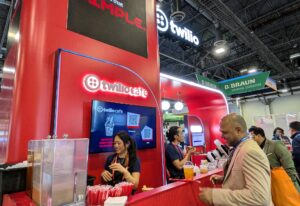
Hands-on is in. According to Freeman research, three-quarters of attendees prefer interactive activations like live demos and product trials over static displays. Lack of hands-on opportunities ranks as the top frustration among participants when evaluating products at events.
What to tell exhibitors: Don’t rely on brochures and looping videos. Instead, let attendees touch, try, and experience products. It’s not just engaging; it’s proven to influence preference and advocacy.
3. Standing out requires more than just showing up.
Large events can be overwhelming. Exhibitors who treat their booth as a backdrop risk being overlooked. Visibility requires intentional design, buzzworthy moments, and clear messaging.
What to tell exhibitors: Think billboard, not brochure. Use bold visuals, compelling focal points, and activations that reinforce brand purpose. Encourage them to consider sustainability, too — not as a gimmick, but as a differentiator that resonates with attendees, particularly those who are next-gen.
4. Trust is the new currency.
In an age of AI-generated content and declining trust in ads and influencers, in-person events have emerged as one of the most trusted sources of information. Face-to-face experiences consistently outrank digital channels in credibility because they allow for transparency, two-way dialogue, and authentic human connection. The 2025 Freeman Trust Report provides research that backs this up.
What to tell exhibitors: Their booth is more credible than their website or social posts — but that trust must be earned. Encourage them to demonstrate values authentically, create transparent experiences, and showcase the people behind the product. Trust built on the show floor doesn’t just influence attendees in the moment, it can strengthen long-term brand loyalty.
5. Subject matter experts are more compelling than booth talent.
Attendees consistently rank access to subject matter experts (SMEs) as one of the most valuable parts of their event experience. Yet exhibitors often undervalue this and instead lean on scanning badges or generic follow-up emails.
What to tell exhibitors: Pair outgoing sales staff with product experts and make those experts visible. Encourage formats like “Ask the Expert” sessions or scheduled consultations to meet attendees’ desire for depth and authenticity.
6. Success happens before and after the show.
Too many exhibitors focus only on the days the show floor is open. But industry research shows pre-show marketing can boost booth traffic by more than 80 percent. Ironically, however, the vast majority of exhibitors do little or none of it. Even worse, leads gathered at shows are often never given a follow-up.
What to tell exhibitors: Show them the full funnel, from awareness and interest before the show, to engagement on-site, and consideration and decision-making afterward. Stress the importance of budgeting for pre-show outreach and preparing post-show follow-up before the event begins.
By proactively sharing these insights, you’re not just filling a hall with booths. You’re helping exhibitors connect meaningfully with attendees, achieve their objectives, and see value in the show — meaning they’ll come back and they’ll invest more deeply. In turn, they’ll create the kinds of show-floor experiences that also keep attendees returning year after year.
Generational Shifts Are Reshaping Expectations
According to the U.S. Department of Labor, Millennials and Gen Z are expected to make up 66 percent of the workforce by 2030. That matters because their media consumption habits, communication preferences, and learning styles are different. Gen Z, in particular, prefers initial discovery through digital channels (i.e., social media, search, and YouTube) rather than traditional channels like mail and email. Yet paradoxically, they crave in-person connection and say events are essential for networking, confidence-building, and career development.
They also tend to research and pre-plan before embarking on new experiences, which means many will arrive with an agenda in hand. Exhibitors who aren’t visible in that planning phase risk being left off their list.
Let exhibitors know that this younger cohort wants to be engaged before they arrive, so investing in pre-show marketing is a smart move. And their on-site booth strategies should balance tech with authentic, human connection.
Kimberly Hardcastle-Geddes is chief marketing strategist at Freeman
Author

About The Author