Syndication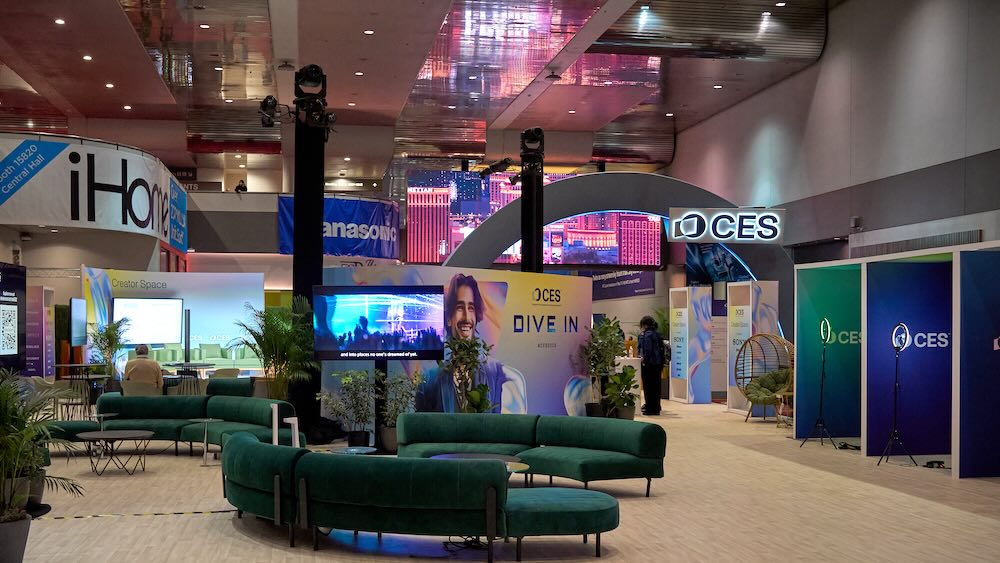


With Freeman’s support, CES exhibitors built environments that allowed attendees to engage directly with products, content, and brand messaging.
For decades, an exhibitor’s presence at a trade show was defined by a simple equation: To make more of an impact, have a bigger physical footprint. While that model still works for many companies, a shift is emerging. Increasingly, exhibitors want to elevate their presence without drastically increasing their square footage. Some want smaller footprints paired with bigger opportunities to activate their brand. And often, non-endemic sponsors want a presence with no booth at all.
What they share is a desire for options beyond space and traditional sponsorships. Many organizers are recognizing this shift, but find it challenging to meaningfully adapt their offerings to support it. This creates a widening gap between what exhibitors want and what organizers make available. Closing that gap is where opportunity lies.
Why Exhibitors Are Rethinking Presence
The “Freeman 2024 Exhibitor Trends Report” shows that the average age of exhibit marketers has dropped, pointing to a younger and more diverse group of decision-makers. The same report notes that 72 percent of exhibitors now participate in formats beyond trade shows — from user conferences to internal events to experiential activations.
What does this mean? Exhibit marketers are bringing expectations shaped by brand activations and digital engagement. They look for visibility that isn’t confined to booth parameters, and, in many cases, want to expand what “presence” can mean while still using their space as a foundation. Their expectations have evolved: Exhibitors want more creative ways to be seen, more immersive touchpoints with buyers, and more opportunities to plug into the broader energy of the event. A booth remains the anchor, but it’s no longer the whole story.
- Claim or renew your subscription to Convene.
- Want deep-dive insights on events delivered to your inbox? Sign up for our newsletters.
Where Organizers Fall Out of Sync
Freeman’s research also notes that many organizers still rely on legacy definitions of exhibitor value: square footage, logo placement, and a limited menu of sponsorships. These offerings are familiar, but they don’t always match the way exhibitors now strategize.
Some organizers also maintain policies that prevent non-exhibiting companies from sponsoring. That rule may no longer align with the realities of how certain brands want to participate. And when exhibitors can’t find appropriate opportunities within an event — meaning those that fit their budgets and objectives — they often create their own outside it. That could take the shape of a hotel-suite activation, a demonstration in an adjacent venue, or an off-schedule hospitality event. In all cases, attention is pulled away from the show and budgets move outside sanctioned channels. This results in lost momentum, influence, and perhaps most importantly, revenue.
What Organizers Can Do Now
The solution isn’t to abandon booths or replace traditional sponsorships. It’s to widen the aperture of what “presence” can mean. Organizers who get ahead of this trend will:
- Collaborate and customize. Exhibitors want brainstorming conversations, not static sponsorship menus, and they increasingly expect flexible options tailored to their objectives.
- Design presence beyond the booth. Lounges, demo stages, content studios, and networking hubs can all serve as activation platforms.
- Reevaluate outdated policies. Restrictions on non-exhibiting sponsors may unintentionally push budgets off-site.
None of this requires a complete overhaul or event reinvention. It simply requires recognizing that as exhibitor strategies evolve, the structures supporting them must evolve too.
The Bottom Line
Booth space will remain core to how exhibitors participate in trade shows. But exhibitors increasingly want more ways to amplify their presence, tell their stories and connect with the right buyers. Organizers who expand their sponsorship thinking from “space” to “presence” will strengthen exhibitor relationships and keep engagement and revenue where they belong: inside the event.
Follow CES’ Lead
At CES, major brands often complement their booth presence with immersive activations designed to tell a deeper story than a traditional exhibit space allows. Working with Freeman, exhibitors have created experiential environments that let attendees engage with products, content and brand narratives in multidimensional ways.
These activations often take place in branded lounges, demo suites, or innovation zones across the CES campus, allowing companies to showcase emerging technologies, host press briefings, or offer hands-on experiences in settings tailored to their message. For many exhibitors, this added layer of presence helps them reach audiences who may not experience the full story inside the booth alone.
The result is a more holistic brand impression, built on both the anchor booth and the extended activation. For organizers, CES demonstrates how thoughtfully designed experiential opportunities can meet exhibitor demand for greater visibility while enriching the overall attendee experience.
Kimberly Hardcastle is chief marketing strategist at The Freeman Company, a global leader in events dedicated to making moments that matter.
Download The “Freeman 2024 Exhibitor Trends Report.”
Author

About The Author